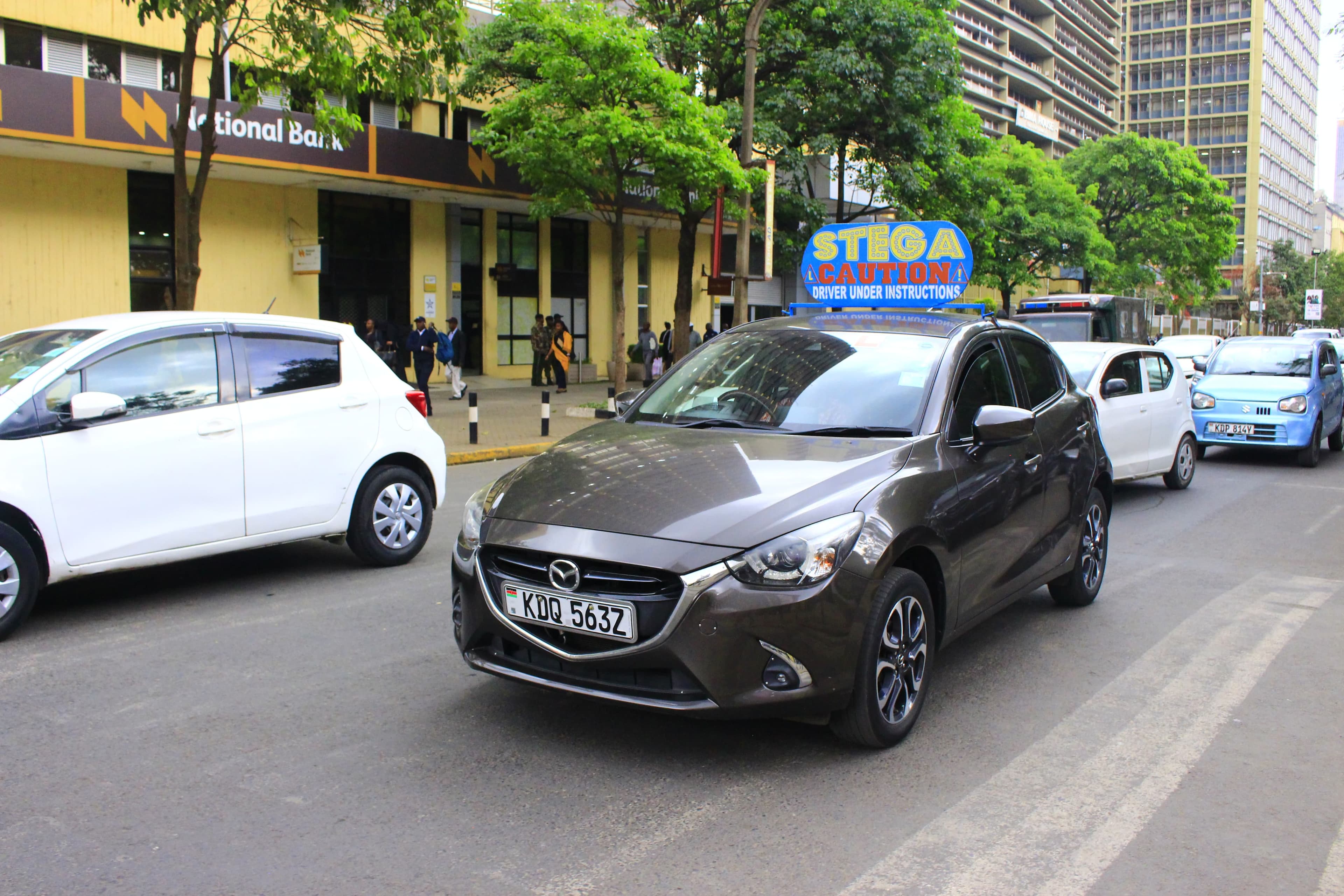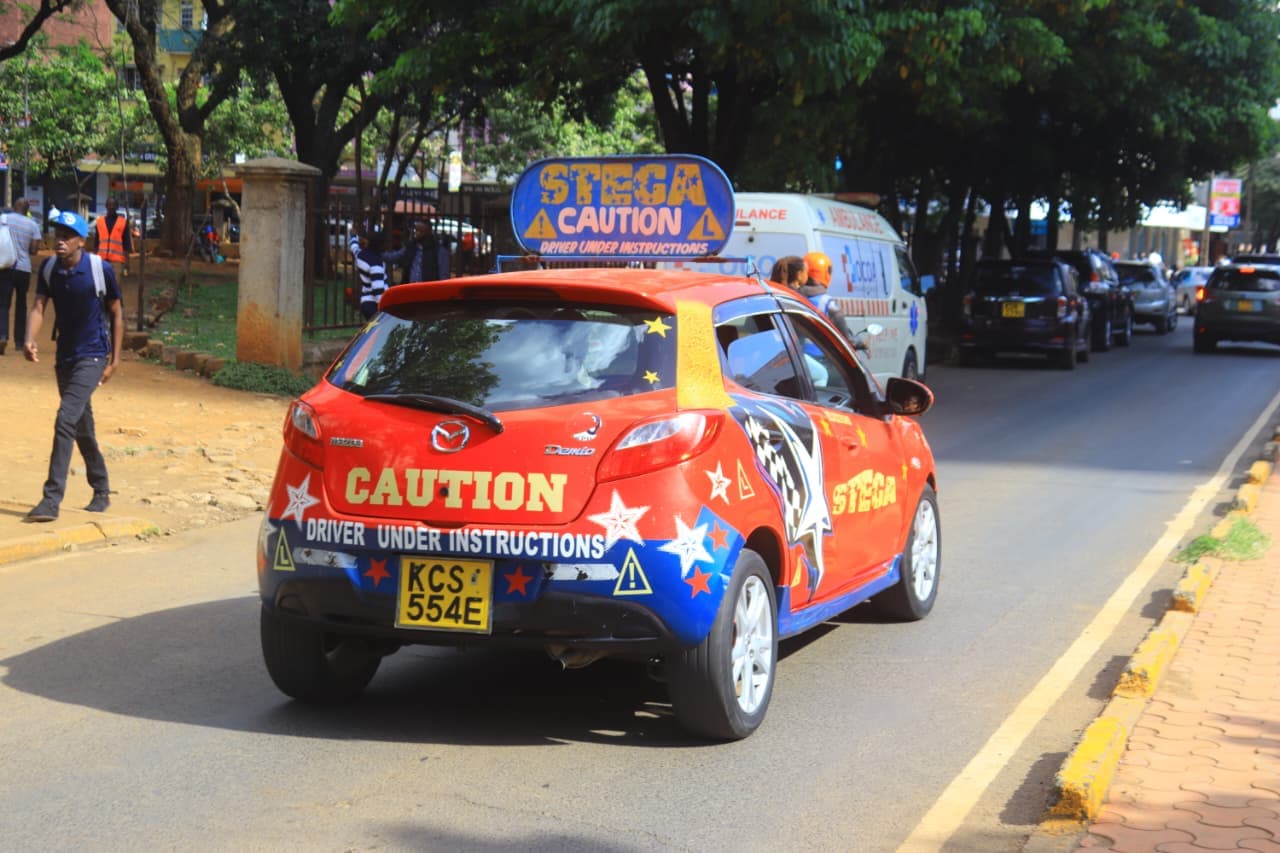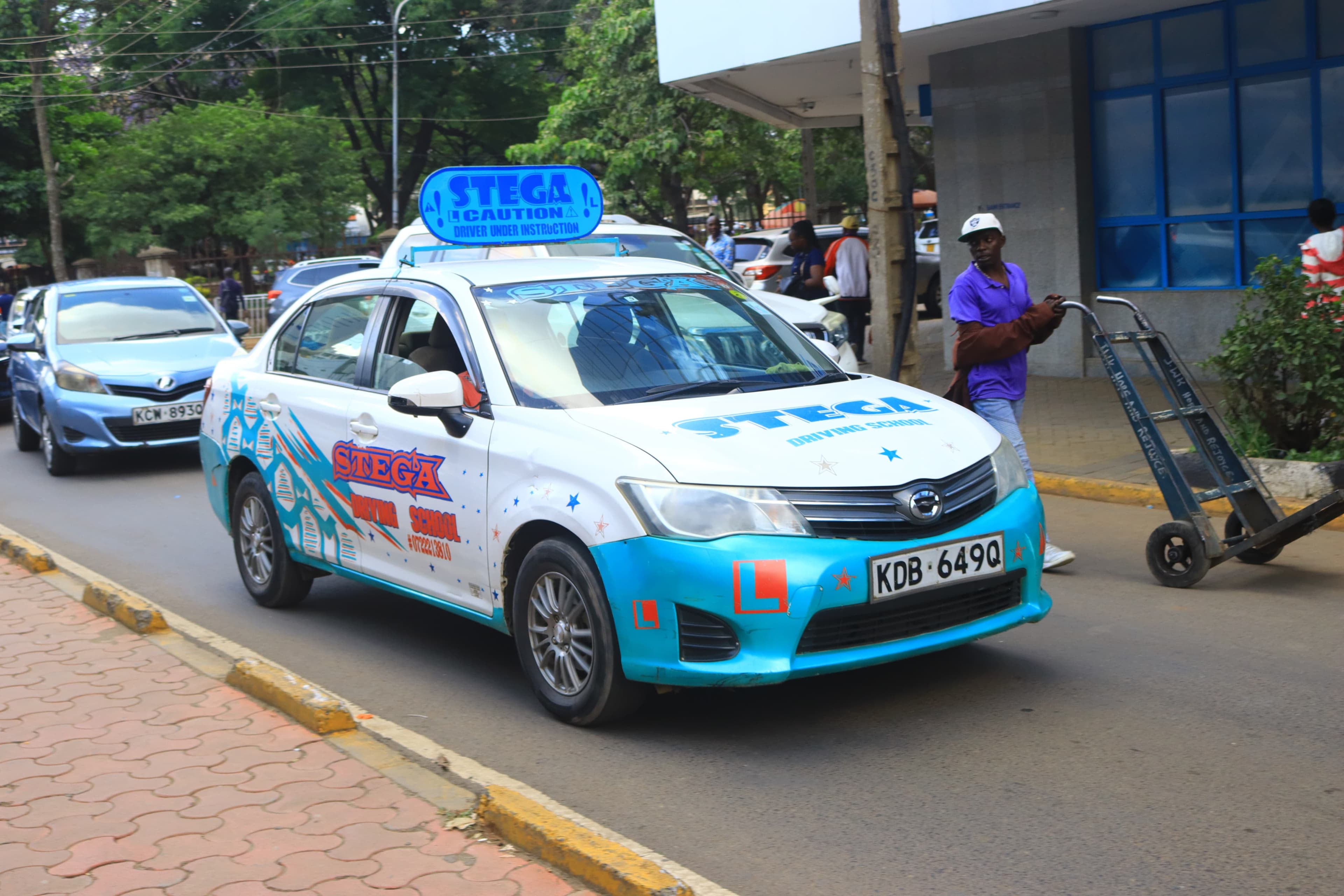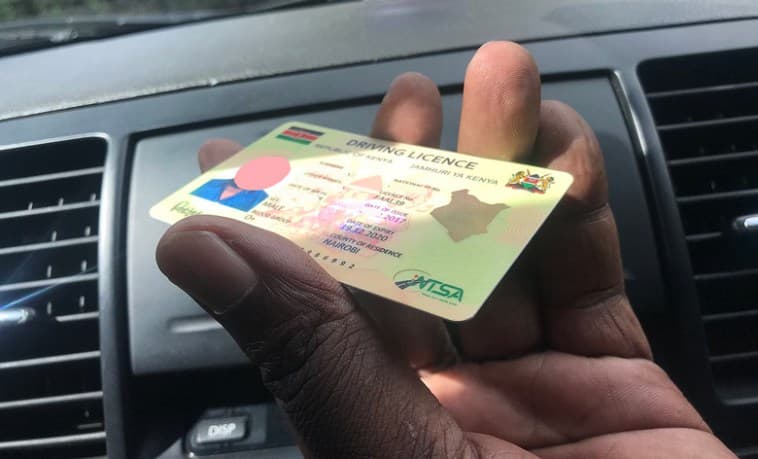
A Public Service Vehicle (PSV) licence authorises you to drive vehicles that carry passengers for commercial purposes — matatus, buses, school vans, tour vehicles, and taxis. Earning a PSV licence opens up professional driving as a career, with NTSA setting strict requirements to ensure passenger safety on Kenya's roads.
PSV Licence at a Glance
- ▸PSV classes: D1 (minibuses/matatus), D2 (large buses), B3 (taxis, tours, ambulances)
- ▸Minimum age: 24 years for D1/D2 classes
- ▸Must already hold a B-class licence for at least 3 years
- ▸Medical certificate mandatory — stricter standards than regular licences
- ▸Zero alcohol tolerance — any alcohol detected = disqualification
- ▸Must complete approved PSV training at an NTSA-accredited school
What is a PSV Licence in Kenya?
PSV stands for Public Service Vehicle. In Kenya, any vehicle used to transport passengers commercially — whether a matatu, bus, school bus, taxi, tour van, or ambulance — is classified as a PSV. Operating any of these vehicles requires a special PSV licence from NTSA, in addition to your regular driving licence.
PSV licences are regulated more strictly than standard licences because these drivers carry public passengers whose safety depends entirely on the driver's competence and responsibility.
PSV Licence Classes in Kenya: D1, D2, and B3
| Class | Vehicle Type | Examples |
|---|---|---|
| Class D1 | Minibuses & matatus (up to 36 seats) | Matatus, school buses (small), service vans |
| Class D2 | Large passenger buses (37+ seats) | City buses, intercity coaches, large school buses |
| Class B3 | Specialised PSV — small capacity | Taxis, Uber/Bolt vehicles, tour vehicles, ambulances, hearses |
Note on Class B3
Class B3 is technically a B-class PSV endorsement for small commercial passenger vehicles — including taxis and ride-hailing (Uber, Bolt, Little). If you drive passengers for payment in any vehicle, you need at minimum a B3 endorsement on your licence.
Requirements to Get a PSV Licence in Kenya
NTSA PSV licensing requirements are stricter than standard licences. You must meet all of the following:
Age & Experience Requirements
- Minimum age: 24 years for Class D1 and D2 (matatu and bus)
- Minimum age: 21 years for Class B3 (taxi/tour/ambulance)
- Must hold a valid B-class driving licence (B1 or B2) for at least 3 years continuously
- No major traffic offences or licence suspension in the past 3 years
Medical Requirements
- Full medical fitness certificate from a government-approved hospital
- Vision test: minimum standards are stricter than regular licences
- Hearing test: PSV drivers must meet minimum hearing standards
- Blood pressure and heart health assessment
- Medical certificate must be renewed every 2 years (regular licence is 3–10 years)
Documents Required
- Valid Kenyan National ID or passport
- Current B-class driving licence (minimum 3 years old for D1/D2)
- Certificate of Good Conduct from the Directorate of Criminal Investigations (DCI)
- Medical fitness certificate (PSV-specific, more comprehensive)
- 2 recent passport photographs
- Certificate of completion from an NTSA-accredited PSV training school
- Payment receipts for all NTSA fees
Certificate of Good Conduct is Mandatory
You must obtain a Certificate of Good Conduct from the DCI Kenya. This background check ensures no criminal record. Apply at the nearest DCI office or through the eCitizen portal — it typically takes 2–4 weeks to receive.
PSV Training & Application Process
- 1Confirm you meet all eligibility requirements (age, existing licence, clean record)
- 2Obtain Certificate of Good Conduct from DCI Kenya (apply early — takes 2–4 weeks)
- 3Get your PSV medical fitness certificate from a government hospital
- 4Enrol at an NTSA-accredited PSV training school (like Stega Driving School)
- 5Complete PSV training: advanced vehicle handling, passenger safety, route management, emergency procedures, customer service
- 6Sit and pass the PSV theory test at NTSA
- 7Sit and pass the PSV practical test with an NTSA examiner
- 8Pay PSV licence fees at NTSA (fees vary by class)
- 9Receive your PSV endorsement on your driving licence
- 10Apply for annual PSV badge (separate from licence — required to work commercially)
Key PSV Operator Regulations in Kenya
Once licensed, PSV drivers in Kenya must comply with strict NTSA operational rules. Violations can result in licence suspension, fines, or arrest:
| Regulation | Detail |
|---|---|
| Zero alcohol tolerance | Any measurable BAC is an immediate disqualification for PSV drivers |
| Speed governor mandatory | All PSVs must have a functioning, NTSA-approved speed governor |
| Annual PSV badge renewal | PSV badge (separate from licence) must be renewed every year |
| Uniform/identification | Driver must display valid PSV badge while operating |
| Passenger limits | Strictly no overloading — penalty for every excess passenger |
| Operating hours | Commercial PSVs have regulated night operation hours in some zones |
| Vehicle inspection | More frequent mandatory inspections for PSV vehicles |
| Route compliance | Matatus must operate only on their licensed route |
Career Opportunities with a PSV Licence
A PSV licence opens significant professional driving opportunities in Kenya's growing transport sector:
- Matatu driving (D1) — one of the most common PSV careers, particularly in Nairobi's busy route network
- City bus / intercity coach driver (D2) — major companies like Metro Trans, City Hoppa, and intercity lines
- Tour vehicle / safari driver — high-earning niche serving Kenya's thriving tourism industry
- Ride-hailing (B3) — Uber, Bolt, Little — growing market with flexible hours
- School bus driver — stable employment with county councils and private schools
- Corporate transport — company shuttle drivers for NGOs, corporations, embassies
- Ambulance driver — critical healthcare role, often employed by hospitals and Red Cross
PSV Training at Stega Driving School
Our PSV / Professional Driving course at Stega covers all 5 branches across Nairobi — CBD, Jevanjee, Embakasi, Savannah, and Kayole. The course includes advanced vehicle handling, NTSA PSV test preparation, and passenger safety training. Duration: 4–6 weeks. Call 0722 213 810 to enrol.
Frequently Asked Questions
QWhat is the minimum age to get a PSV licence in Kenya?
The minimum age for a Class D1 or D2 PSV licence (matatu/bus) is 24 years. For Class B3 (taxi, tours), the minimum age is 21 years. You must also hold a B-class driving licence for at least 3 years before applying.
QDo I need a Certificate of Good Conduct to get a PSV licence in Kenya?
Yes. A Certificate of Good Conduct from the Directorate of Criminal Investigations (DCI) Kenya is mandatory for all PSV licence applications. It verifies you have no criminal record. Apply through eCitizen or at a DCI office — it takes approximately 2–4 weeks.
QCan I drive Uber or Bolt in Kenya without a PSV licence?
Technically, driving passengers commercially (including Uber, Bolt, and Little) requires a Class B3 PSV endorsement on your licence. NTSA enforcement of this requirement has been increasing. Operating ride-hailing services without a B3 licence can result in fines and vehicle impoundment.
QHow long is a PSV licence valid in Kenya?
The PSV driving licence follows the same 3-year or 10-year validity as regular licences. However, the separate PSV badge (required to operate commercially) must be renewed annually through NTSA.
QHow much does PSV training cost in Kenya?
PSV training course fees vary by school and class. Call Stega Driving School on 0722 213 810 for current fees. Flexible M-Pesa payment plans are available. NTSA test fees are separate — approximately KSh 2,270 for the practical test.

Stega Driving School
Nairobi's most trusted NTSA-approved driving school since 1995. 5 branches across Nairobi. 96% first-attempt pass rate. 1,000+ licensed graduates.
Learn about us →